
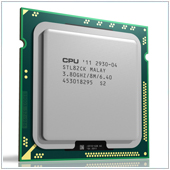
 One of the most commonly marketed features of computers is the processor. The only problem is that the information can be a little confusing, as there are literally hundreds of different processors available, each with some sort of special feature. There’s no need to be confused, in fact, picking a processor really comes down to three different choices.
The processor, or CPU, is arguably the most important hardware component. It’s responsible for telling the other parts what to do, much like your brain. The processor is also an integral component in determining how useful an electronic device will be.
Processors are ranked in terms of hertz, or more commonly gigahertz e.g., 2.5 GHz. This is the frequency they run at. Generally, the higher the speed, the better the performance. Three different manufacturers produce a vast majority of the processors available for purchase.
- Intel. Intel is the most popular and well-known maker of processors. Manufacturers like Dell, Apple, Samsung and HP all use Intel processors in their computers. Intel processors are the most stable and offer the best all-round performance. The current i3, i5 and i7 models represent entry, middle and high level hardware.
- AMD. AMD is Intel’s biggest competitor, offering processors that are similar to Intel's, but at a, for the most part, cheaper price. The majority of computer manufacturers, except for Apple, also offer products with AMD processors. AMD’s Athlon processors are budget models while Phenom and FX are mainstream and high level respectively.
- ARM. ARM processors are generally used in smartphones, mobile devices and tablets. Apple’s iPhone and iPad; Samsung’s Galaxy line and HTC devices all use some form of ARM processor in their mobile devices. A rule of thumb is, if it doesn’t have AMD or Intel in the name, it’s most likely an ARM processor.
 Smartphones are one of the tools that have been instrumental in blurring the lines between our personal and professional lives. While we’re at home, we access our work email and while we’re at work, we’re checking our personal email, all on the same device. As such, we tend to have a large amount of confidential information on our phones and should be taking steps to secure them.
 Voice technology can be put to use in your business in new and innovative ways. In this article, we will look at how voice technology can improve warehouse operations. Read on to find out how voice technology can enhance the picking and packing process to improve efficiency, effectiveness, and safety in your warehouse.
 These days, many businesses rely on electronic data for all sorts of tasks and for all kinds of transactions. Which then begs the question, what happens if you lose it all – or even a part of it? Do you have a disaster recovery plan to lean on in case that happens?
 A new scam is preying on the uninformed to steal from them valuable information over the phone. Read on to learn how you can prevent yourself and others from falling victim to these clever criminals.
 For smaller businesses with less manpower and resources at their disposal, it's a challenge to keep up with ever-evolving IT trends in order to grow and provide clients with the service they need. But with the help of Managed Service Providers, or MSPs, handling and managing your IT doesn't need to be as complicated or as costly as you might think.
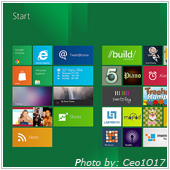 On February 29, 2012 Microsoft will launch a Customer Preview of its new Operating System, Windows 8. The Customer Preview, commonly called a Beta, is a pre-release product aimed to let Windows users test and learn the operating system before the release of the retail version, scheduled for late 2012. The OS has been driving lots of interest and businesses are eager to get their hands it. But the big question is, what features does it have that will help my business?
 In today's corporate environment, it's not enough to be available to your colleagues and customers 24/7 - they want to see you in high definition, and they want to hear you clearly. But has your investment in high-end videoconferencing equipment created an open door for those wanting to know your business secrets?
 For those of you using Google Mail or Gmail, chances are you're familiar with the "stars" feature, which serves as a visual reminder to follow up on certain messages or mark their importance. You may not know, though, that you can use different types of stars. To do so, click on the Gear icon in the upper right corner of the screen, click Mail Settings, and on the General tab look for the Stars section.
 Healthy business relationships are part of what makes a successful business. And like any other business relationship, it's important to be able to connect with and trust your Managed Service Provider (MSP) in order to maximize your partnership with them and your company's own productivity and growth.

